Clinic Timings Peshawar: Mon–Fri 2–7 PM Lahore: Sat 9 AM–4 PM Islamabad: Sun 9 AM–4 PM Khattak Medical Center, Dabgari Garden, Peshawar
Laser Proctology

Piles (Hemorrhoids) Treatment in Peshawar

Piles, also called hemorrhoids, can cause bleeding, prolapse, itching and discomfort around the anus. Dr. Muhibullah Dawar assesses patients with suspected piles in Peshawar and recommends treatment according to the symptoms, examination findings and severity of the condition, including laser treatment where appropriate.

Key takeaways: Hemorrhoids

  • Piles and hemorrhoids are two names for the same condition.
  • Common symptoms include bright red bleeding, a lump or prolapse, itching, mucus or discomfort around the anus.
  • Rectal bleeding should not automatically be assumed to be piles, and persistent or unexplained bleeding needs assessment.
  • Treatment depends on the symptoms, examination findings, severity and individual patient factors.

What are piles?

Piles, also called hemorrhoids, are enlarged vascular cushions in or around the anal canal. These cushions are a normal part of the anatomy; they become a problem when they enlarge, bleed, prolapse or cause irritation.

Symptoms vary between patients, and so does severity. Some people have occasional bleeding and nothing more, while others have a lump that comes down each time they open their bowels. That difference is why the treatment that suits one patient may not suit another.

Piles vary in type and severity, which is established at examination.
Signs and symptoms of piles

  • Bright red blood on the paper or in the pan after passing stool
  • A lump that comes down on straining and goes back on its own
  • A lump that has to be pushed back, or will not go back at all
  • Itching, soreness or mucus staining around the anus
  • A feeling that the bowel has not emptied fully

Similar symptoms can occur with other anorectal and bowel conditions, so an examination may be needed to confirm the cause.

Clinical pathway

Assessment, treatment and recovery

Diagnosis and when to seek assessment

Assessment begins with your symptoms, how long they have been present and any treatment you have already tried, followed by an examination. A digital rectal examination and proctoscopy are used where appropriate to look at the anal canal directly, and further investigation is arranged only where it is clinically indicated.

Rectal bleeding should not automatically be assumed to be piles. Assessment is advised if:

  • The bleeding persists or keeps coming back
  • Blood is mixed through the stool rather than on its surface
  • Your usual bowel habit has changed
  • There is unexplained weight loss

How are piles treated?

Treatment depends on the symptoms, the severity of the piles, what the examination shows and what has already been tried. Many patients do not need an operation.

Conservative management may include dietary fibre, adequate fluids, improving bowel habit and avoiding straining. Medical treatment may be used for symptom relief where appropriate.

Persistent or more significant piles may require a procedure. Laser hemorrhoidoplasty may be considered for selected patients, while another surgical approach may be more appropriate in other cases.

Laser treatment for piles

Laser hemorrhoidoplasty is a procedure in which a laser fibre is introduced into the hemorrhoidal tissue and controlled energy is applied to reduce it.

It is not suitable for everyone. Suitability is decided at assessment and depends on your symptoms, what the examination shows, the extent and severity of the piles, treatment you have already had and your general health. Some patients are better managed conservatively, and others with a different surgical approach.

Recovery after piles treatment

Recovery depends on the treatment performed and on individual patient factors. Aftercare may include pain relief as prescribed, keeping the stools soft, and advice about activity; you will be given advice specific to your case about returning to your normal activities before you leave the clinic.

Questions before booking?

Message the clinic on WhatsApp for appointment times, clinic location and what to bring.

FAQs

Frequently asked questions

The questions patients ask most often before booking this procedure.

Yes. Piles and hemorrhoids are two names for the same condition: enlarged vascular cushions in or around the anal canal. Both terms are used in everyday and medical language.

No. Piles are one common cause of bright red rectal bleeding, but other anorectal and bowel conditions can cause it too, so the cause is confirmed by examination rather than assumed.

No. Many patients are managed with conservative measures such as dietary fibre, adequate fluids and avoiding straining, with medical treatment for symptoms where appropriate. A procedure is considered where symptoms persist or the piles are more advanced.

Laser hemorrhoidoplasty uses a laser fibre to apply controlled energy to the hemorrhoidal tissue in order to reduce it. It is one of the treatment options and is considered after assessment.

No. Suitability is decided at assessment, and some patients are better managed conservatively or with a different surgical approach.

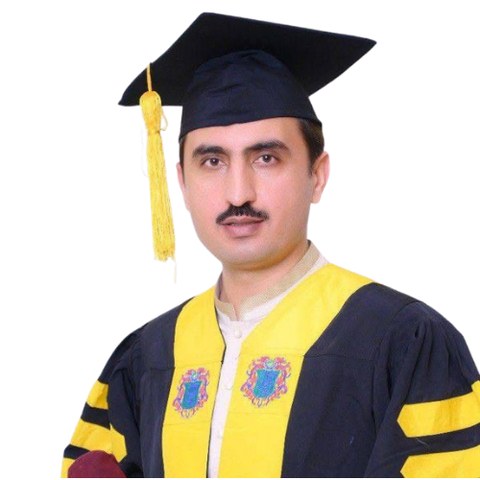
Dr. Muhibullah Dawar

Piles assessment with Dr. Muhibullah Dawar

General, Laparoscopic & Thoracic Surgeon | Laser Proctologist

FCPSGeneral Surgery
FellowshipLaparoscopic Surgery, CMH Rawalpindi
FCPS-IIThoracic Surgery, CMH Rawalpindi
Advance Surgery ClinicDabgari Garden, Peshawar
Medical disclaimer

This page describes a procedure in general terms so patients know what to expect. It is not medical advice and cannot replace an examination. Whether a procedure suits you, and what your recovery looks like, depends on your diagnosis, imaging, general health and how you respond to treatment — which is why every plan is made in consultation.

If you have severe abdominal pain, heavy rectal bleeding, a hernia that has become hard and painful, or sudden difficulty breathing, seek urgent care rather than waiting for an appointment.

Book a consultation for piles in Peshawar

Book an appointment with Dr. Muhibullah Dawar for assessment, diagnosis and a treatment plan based on your clinical findings.

Message on WhatsApp